
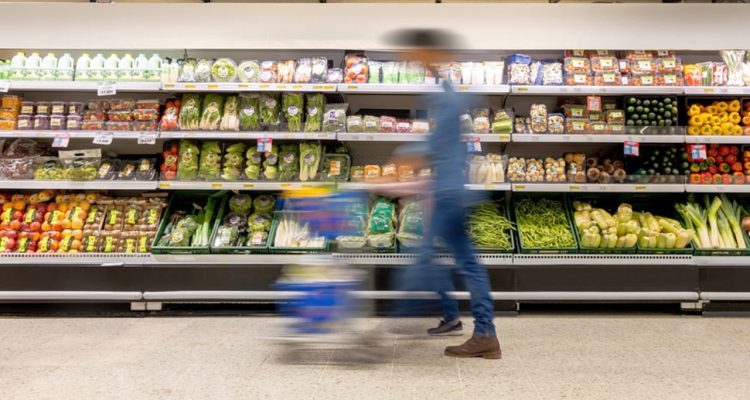
Open a bottle of hot sauce from a grocery chain today and compare it to the same product you bought eight months ago. The flavor, color, consistency, and label placement will be essentially identical. The bottle cap will torque to the same resistance. The fill line will be within millimeters. That level of consistency, replicated across millions of units in multiple production facilities, is not the result of careful manual attention. It’s the result of production systems engineered to make variation impossible.
Most consumers encounter this consistency without thinking about what produces it. The gap between raw ingredients entering a production facility and a finished product reaching a retail shelf represents one of the more remarkable engineering achievements of the past century: a system that can scale from hundreds to millions of units while holding quality within specified tolerances. Understanding how that works changes how you think about the products in your kitchen.
What Integrated Manufacturing Actually Means
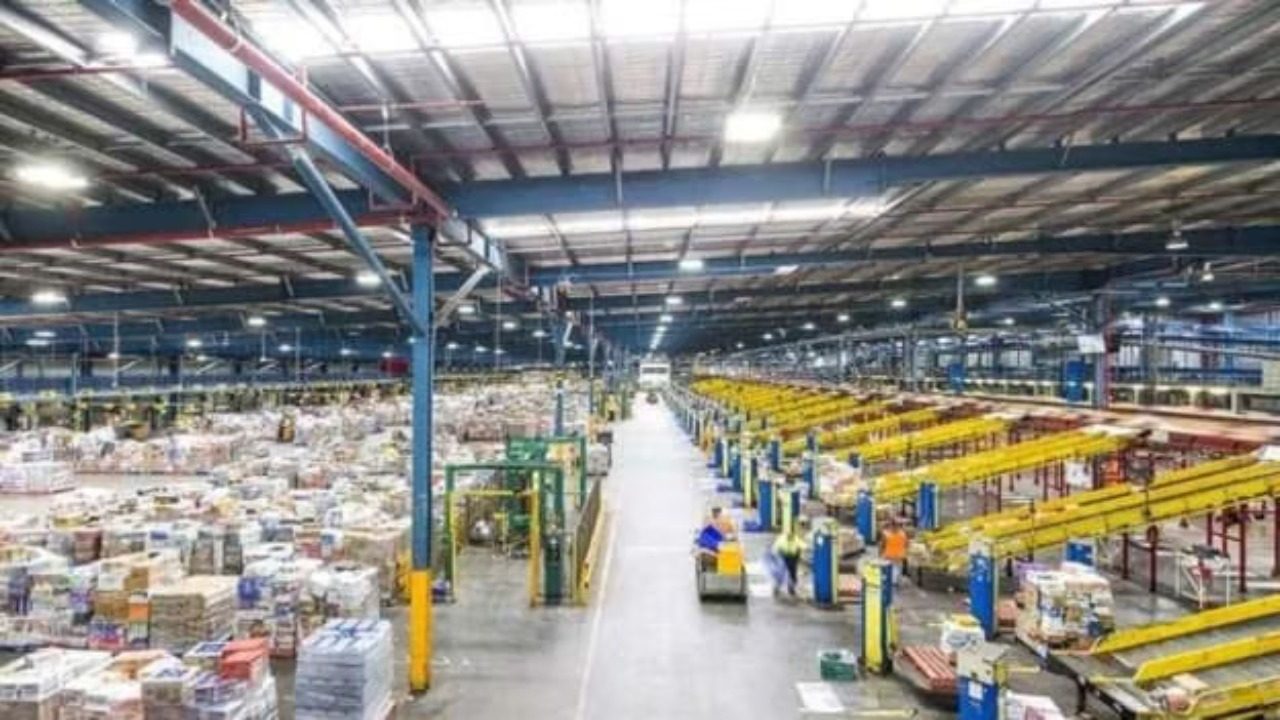
The term gets used broadly, but in practice it describes something specific: a production approach in which design, procurement, fabrication, assembly, quality control, and logistics are treated as parts of a single connected system rather than separate sequential functions. Each stage shares information with the others, feedback from downstream operations informs upstream decisions, and the entire chain is optimized for consistent output rather than individual step efficiency.
Companies that operate through integrated manufacturing can respond to design changes, material substitutions, or demand fluctuations across the whole production chain simultaneously, rather than discovering the downstream consequences of an upstream decision weeks later. For consumer goods producers, this integration is what makes it possible to run multiple plants producing identical output. The same production parameters, material specifications, and quality checks apply everywhere in the system.
Contrast this with fragmented production models, where fabrication, assembly, and quality functions operate semi-independently, and the inconsistency that results shows up in consumer complaints about quality variation between purchases.
How This Applies to Food and Consumer Goods
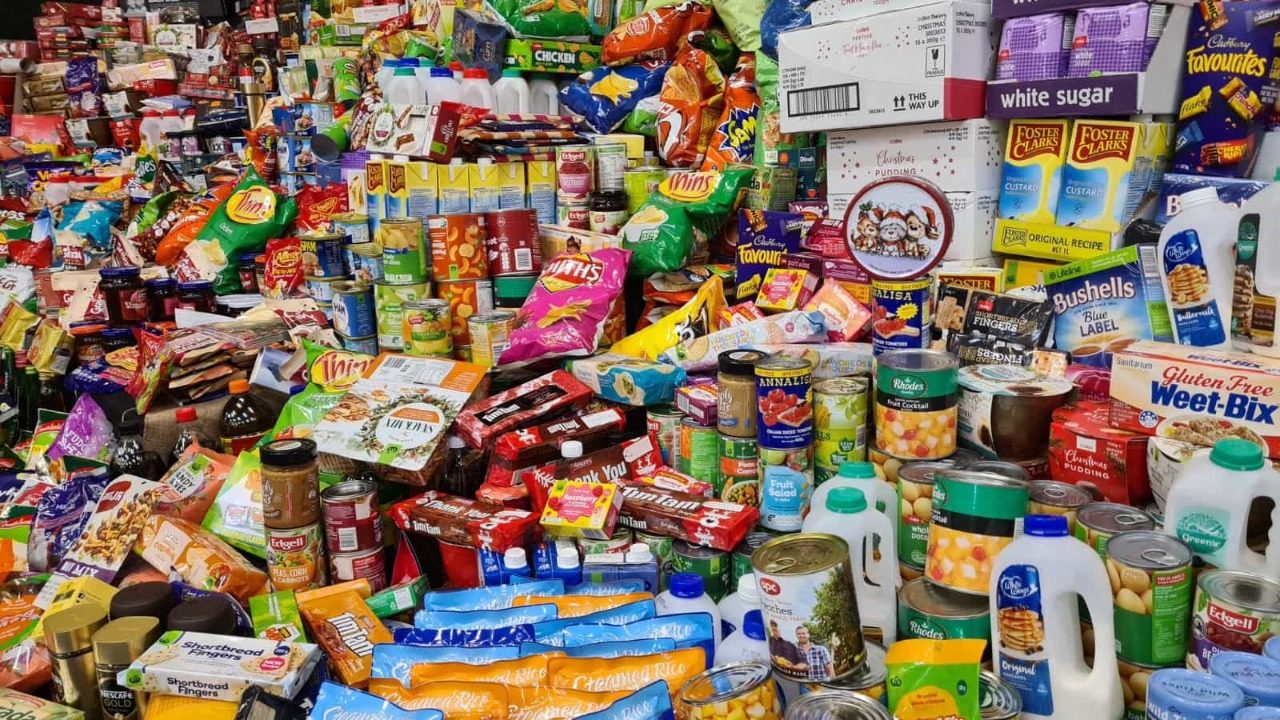
The food industry was an early adopter of integrated production principles out of necessity. Good manufacturing practice regulations require food producers to document and control not just the final product but the entire production process, from incoming material acceptance through packaging and distribution. Meeting those requirements consistently across high-volume production forced manufacturers to integrate their operations in ways that non-food industries adopted later.
A major condiment brand producing ketchup in six plants across three countries achieves product consistency by centralizing ingredient specifications, running the same equipment configurations at each site, and sharing quality data across facilities in real time. When a raw material supplier changes a component, the system flags it and the quality team evaluates impact across all production sites at once.
Consumer goods like cookware, appliances, and food storage containers follow similar logic. The silicone gasket on a storage container has the same compression characteristics as every other unit from that batch because the tooling, material specifications, and molding parameters were all part of an integrated specification from the beginning.
Quality Systems That Keep Products Consistent
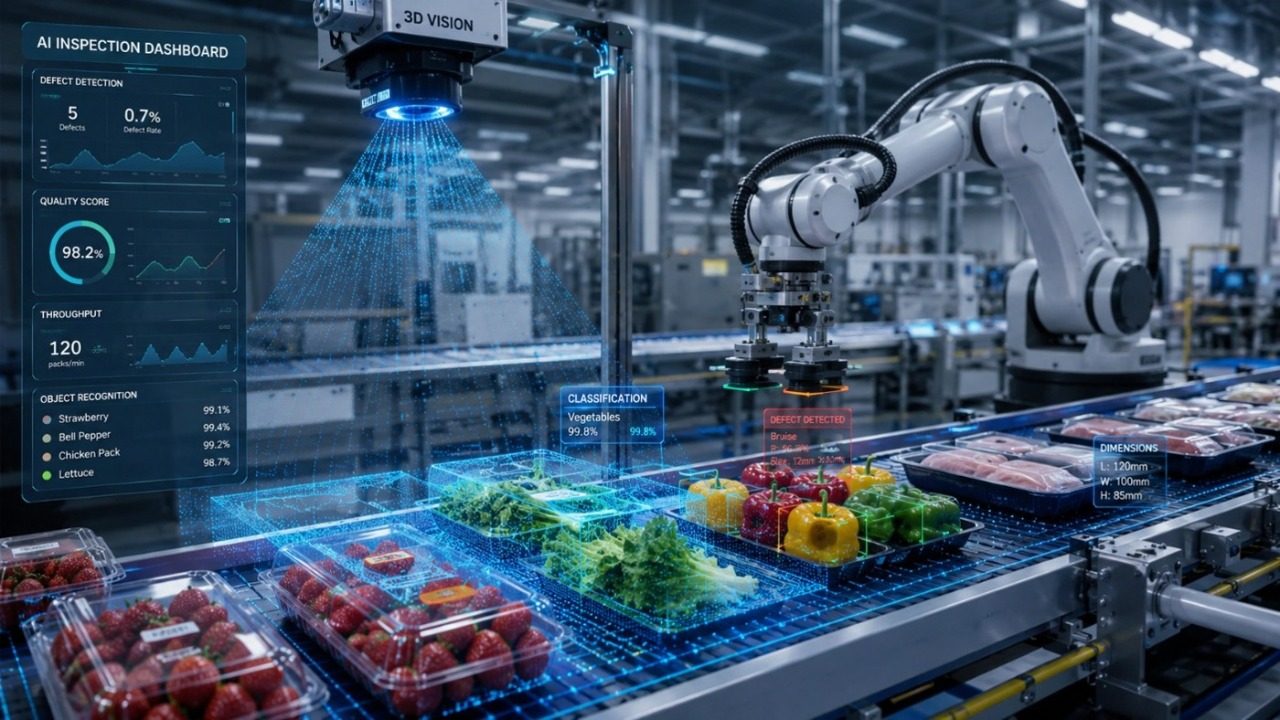
Consistency at scale requires more than integrated processes: it requires quality systems that catch variation before it reaches the consumer. Modern manufacturing quality management combines in-process monitoring, statistical process control, and end-of-line testing to detect deviations while there’s still opportunity to intervene.
Statistical process control tracks key product parameters against established tolerance bands in real time. When measurements trend toward the edge of acceptable range, the system alerts operators before units go out of spec. This approach was developed for industrial manufacturing but applies equally to food and consumer goods production.
According to the US Food and Drug Administration, consistent documentation and process control are foundational requirements for food safety under current good manufacturing practice regulations. The same principles that prevent contamination in pharmaceutical manufacturing apply to food production, and increasingly to any consumer good where material consistency affects safety or performance.
Technology and Automation in Modern Production
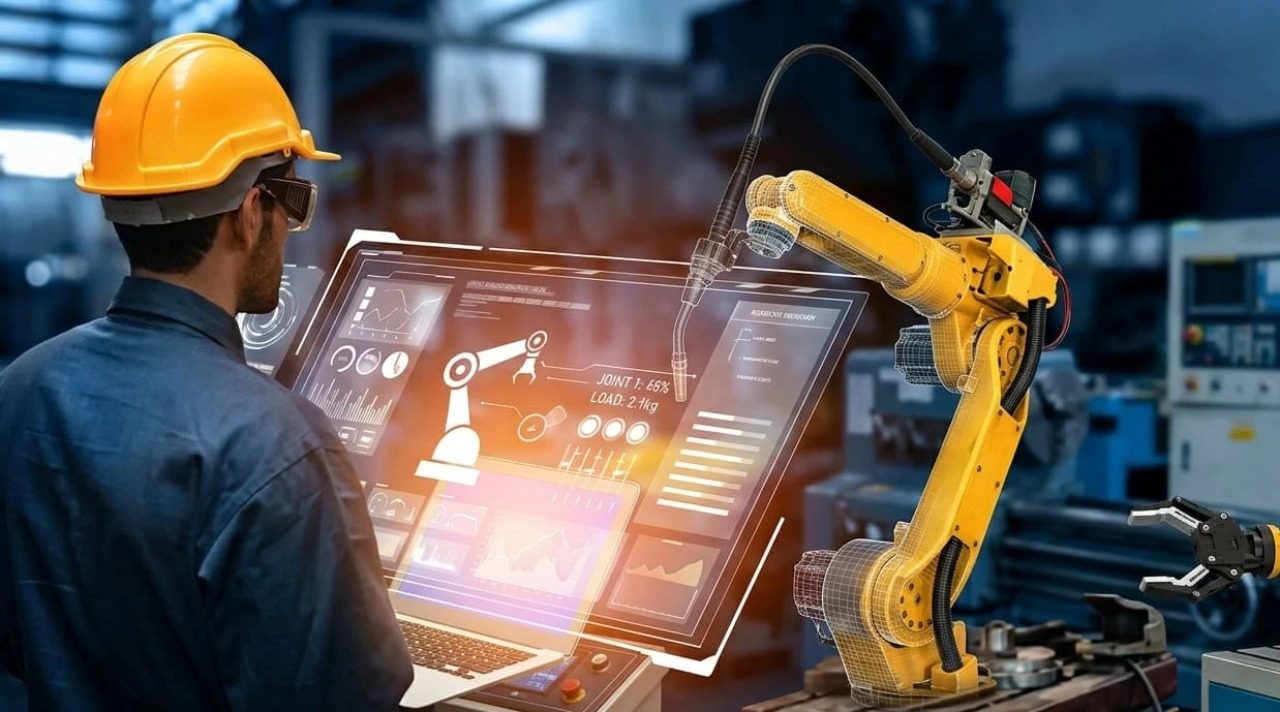
The technology layer underneath integrated manufacturing has changed substantially over the past 20 years. Sensor networks, programmable logic controllers, and digital manufacturing execution systems now provide real-time visibility into production parameters that previously required manual sampling. A production manager can see yield rates, defect categories, and equipment performance data across an entire facility on one screen.
This visibility enables faster response. When a mold shows dimensional drift or a temperature controller fluctuates outside its setpoint, the system detects it and escalates before the affected batch grows large. In high-volume consumer goods production, catching a problem 30 minutes earlier can mean the difference between scrapping a few hundred units and scrapping a full day’s run.
The US Department of Commerce tracks manufacturing technology adoption as part of its competitiveness research, and the data consistently shows that integrated, technology-supported production environments outperform fragmented ones on quality, throughput, and cost per unit over time. The investment threshold has also dropped: systems once accessible only to large manufacturers are now deployable by mid-size producers.
What Consumers Can Reasonably Expect From Modern Manufacturers
The manufacturing discipline that produces the consistency we take for granted is not free. It represents investment in equipment, process development, quality infrastructure, and the expertise to manage it. Not every manufacturer operates at the same level, which is part of why product consistency varies across price points and brands.
For consumer goods, the practical implications are worth understanding. Products from manufacturers with mature integrated operations tend to perform more consistently across purchases, maintain more stable formulations over time, and have clearer traceability when something goes wrong. The recall process for a product from a well-integrated manufacturer is faster and more targeted, because the documentation exists to trace the affected lot back to its source.
Paying attention to manufacturing origins, certifications, and production standards isn’t only relevant for industrial buyers. For the products in your kitchen, the manufacturing quality behind them determines whether the consistency you’ve relied on will hold.