
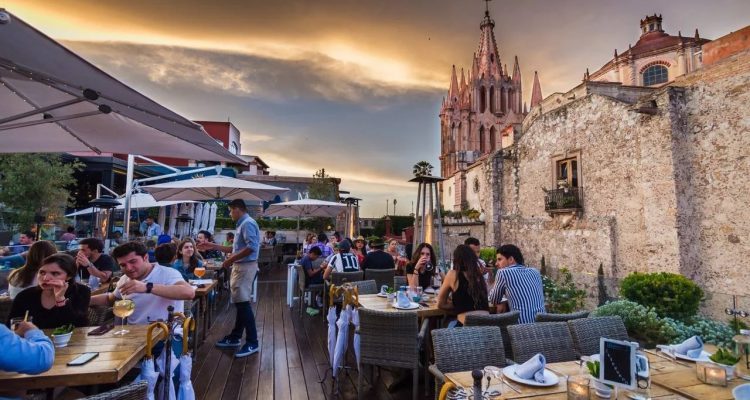
Few places in the Western Hemisphere manage to blend serious culinary culture with the kind of colonial architecture that genuinely stops you on the sidewalk. San Miguel de Allende does both, and over the past decade the city’s restaurant scene has quietly shifted from a curiosity to one of the main reasons buyers start browsing listings. The team at DreamProHomesLuxury has seen this pattern repeat: a client visits for a food festival or a friend’s dinner party, and within months they’re asking about properties in Centro or Guadiana.
That experience sticks in a specific way. The city’s food culture, from wood-fired bakeries to mezcal bars run by people who actually know their agave, creates an attachment that a property listing on its own can’t manufacture. When buyers eventually search for homes for sale in San Miguel de Allende, many are trying, consciously or not, to recreate the feeling of a specific meal or morning at a particular market stall.
The Restaurants Behind the City’s Culinary Identity
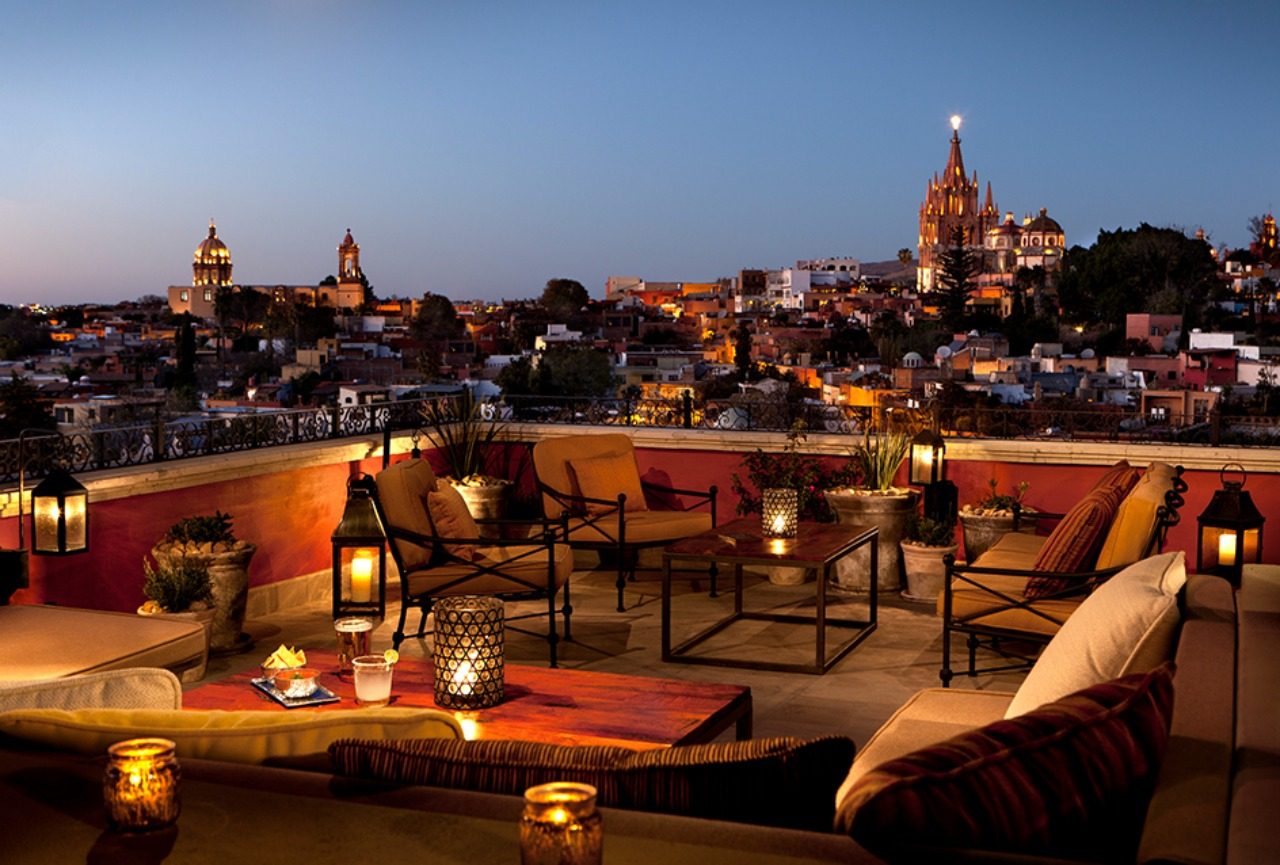
San Miguel’s food scene is dense enough to sustain serious attention for weeks, which is unusual for a city of its size. Restaurants like Moxi at Hotel Matilda and Bovine helped establish the city as a destination for Mexican gastronomy rather than just Mexican tourism food. Moxi in particular drew attention by working with regional Bajío ingredients at a time when most high-end Mexican restaurants were still defaulting to European frameworks. The result was a city where food writers and chefs started showing up with genuine curiosity rather than feature-story obligation.
What that consistent critical attention produced over a decade was a dining culture with actual texture. Taco stands on Mesones and fine-dining tasting menus exist two blocks apart without either feeling out of place. That range matters to buyers who plan to live in the city rather than visit it. They want to know they can eat well on a Tuesday night without planning ahead, and they want the kind of neighborhood bakery that makes living somewhere feel like a real choice rather than a compromise between proximity and quality.
How a Cooking Culture Shapes What Buyers Expect at Home
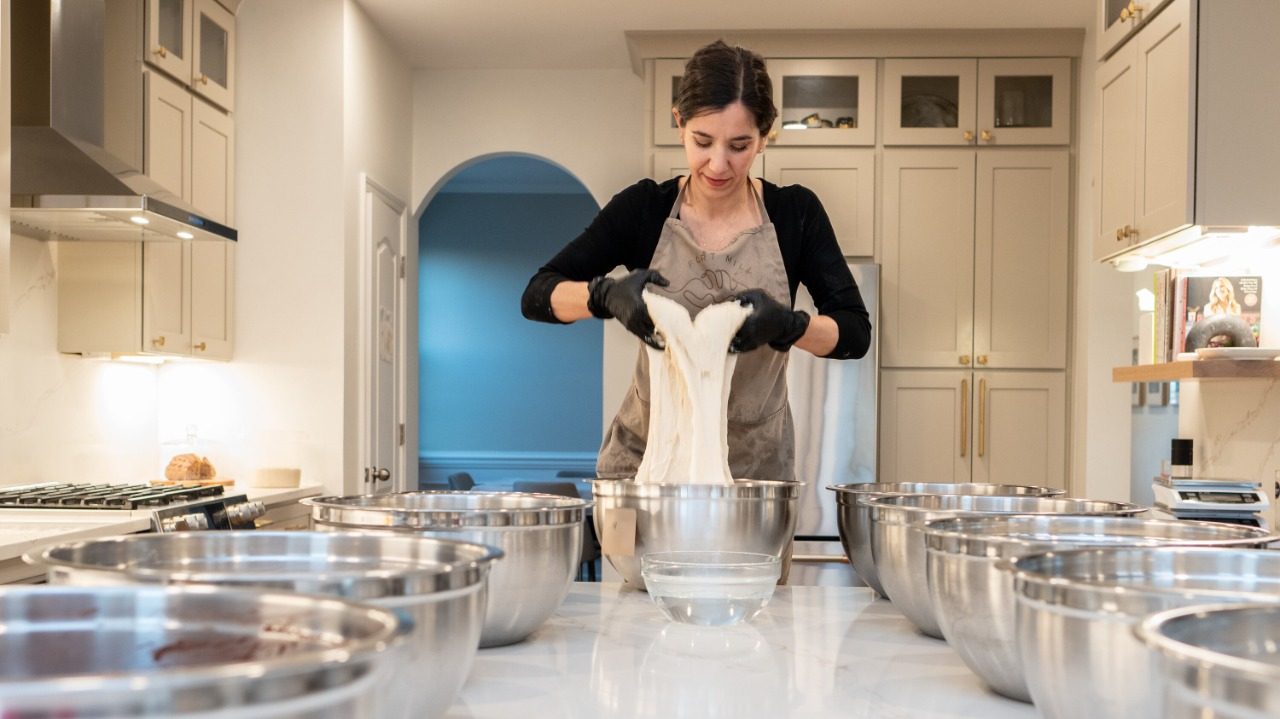
One specific downstream effect of San Miguel’s food scene is on kitchen design expectations. Buyers who have spent time in the city often arrive at property viewings with a sharper sense of what they want from a home kitchen than buyers in comparable markets. They’ve eaten in houses with proper wood-burning comales and terrace cooking setups; they know what it looks like when a kitchen is designed around how someone actually cooks rather than how a kitchen is supposed to photograph.
This has pushed renovation standards upward in certain price brackets. Properties above $600,000 USD are increasingly listed with kitchens rebuilt around real cooking rather than display, with counter space that accommodates actual prep work and ventilation that handles proper cooking loads. The buyers driving that trend are mostly people who discovered San Miguel as a food city first. According to the U.S. State Department’s retirement abroad resources, the availability of quality food and healthcare are consistently among the top factors Americans cite when evaluating international locations. San Miguel scores well on both counts.
The Mercado Ignacio Ramírez and What It Actually Tells You
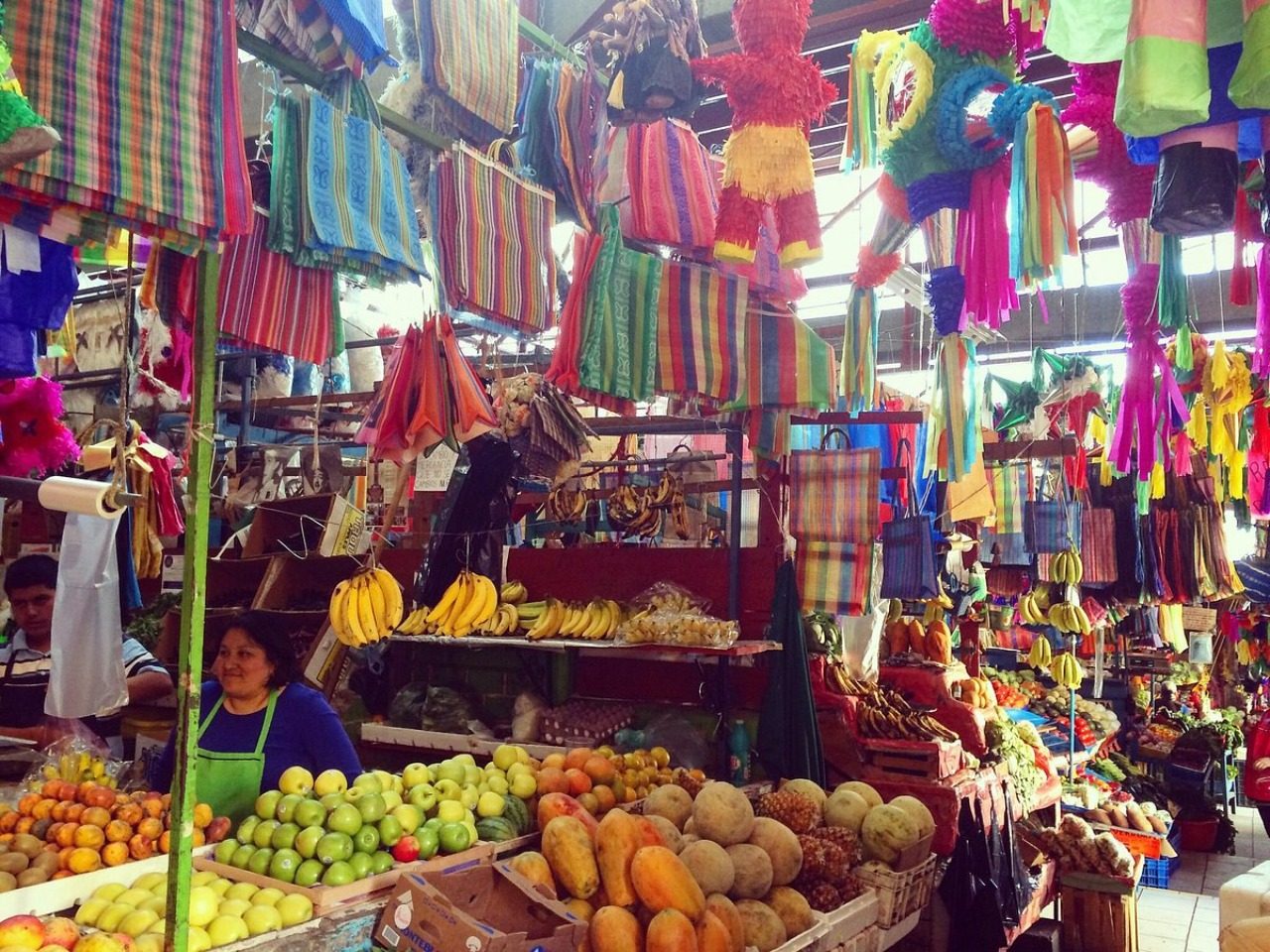
The Mercado Ignacio Ramírez is the kind of place that photographs well, so it risks being written about too softly. It is in fact genuinely good: a covered market running since 1849 that sells fresh produce, local cheese, dried chiles, and prepared food in a way that serves the city’s actual residents rather than performing their culture for visitors. The cheese stalls in particular carry varieties that don’t appear in import shops anywhere in the US.
For buyers considering property in San Miguel, the mercado is a quiet litmus test. Neighborhoods within reasonable walking distance tend to command premiums that correlate loosely with proximity to fresh food access. Buyers who care about daily quality of life, as opposed to status metrics, tend to weight this differently from buyers whose primary concern is resale trajectory. The mercado doesn’t show up on investment return calculations, but it affects whether people want to be there in fifteen years. That distinction matters more than it typically gets credit for in market analysis.
Bakers, Workshops, and What a Food Community Actually Looks Like
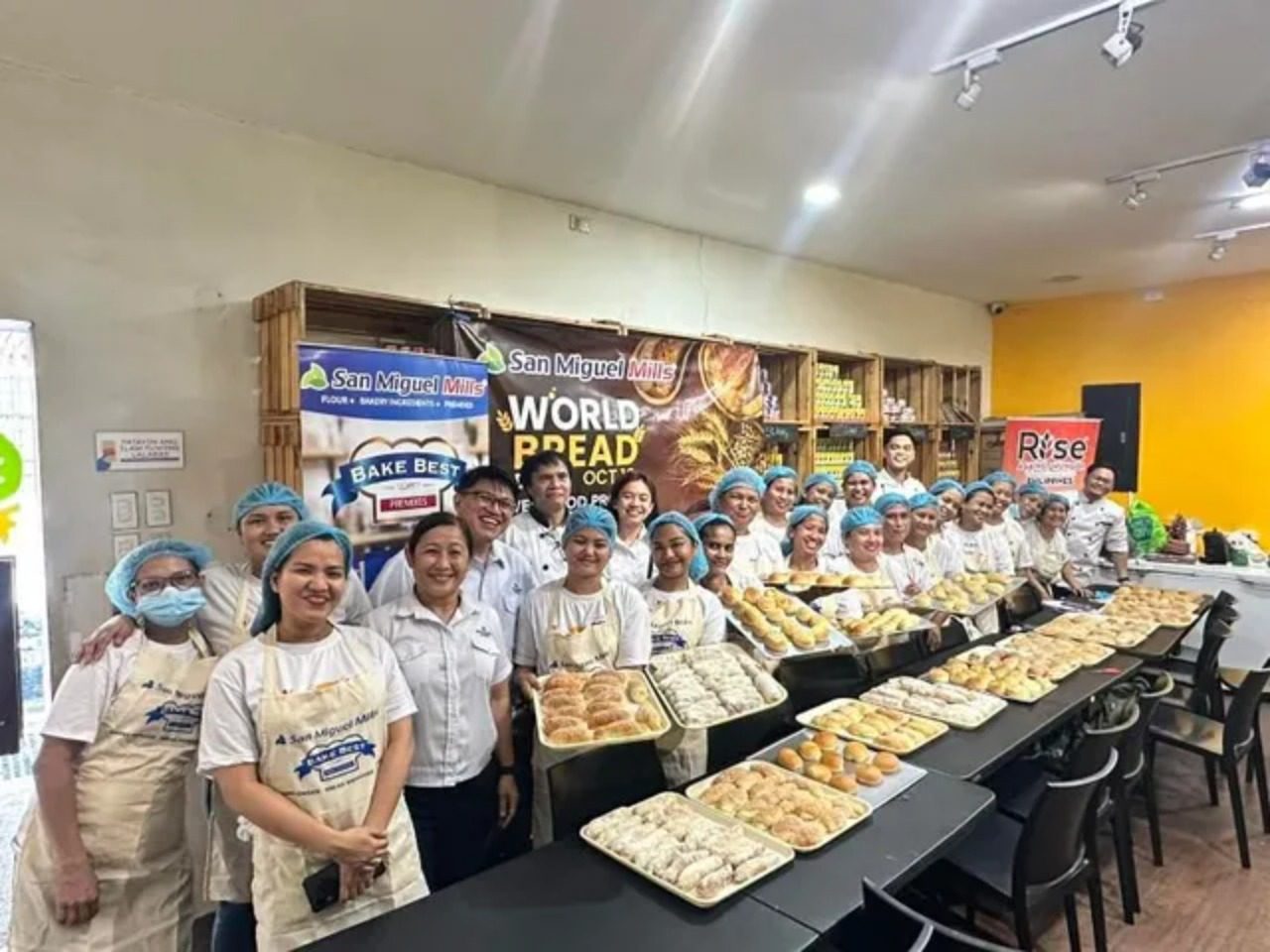
San Miguel has a surprisingly active culture of cooking classes and food workshops concentrated around ingredients and techniques specific to Bajío cuisine. These range from serious multi-day courses focused on mole preparation to shorter sessions on tortilla-making or traditional confections like jamoncillo and cajeta at small family operations. The food blog community around the city is genuine rather than manufactured, with writers who moved there specifically because the local ingredients justified the relocation.
For people who cook seriously at home, this matters in a way that doesn’t reduce to “nice restaurants nearby.” The difference is access to instruction, fresh local ingredients, and a community of people with similar habits. That’s harder to find than a good taqueria. Buyers who’ve spent time in San Miguel cooking, taking a class, or attending the annual Gusto! food festival often describe the city in terms of what they made there, not what they ordered. That specificity of attachment is a reliable indicator of the buyer type most likely to commit to a property purchase and stay long-term.
What Culinary Infrastructure Means for Long-Term Property Value
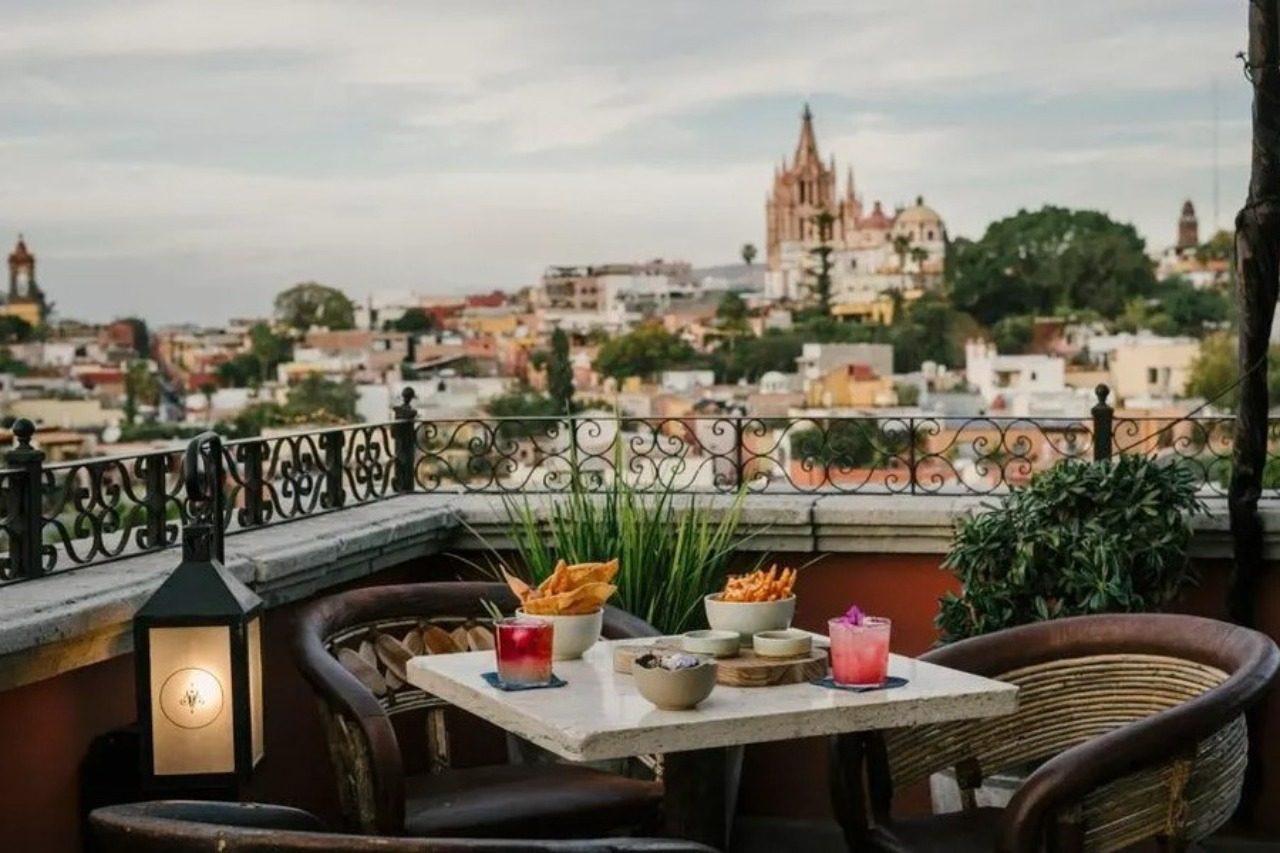
The argument that food scenes drive real estate prices usually stops at “good restaurants indicate a desirable neighborhood.” San Miguel makes a more durable case. The city’s culinary identity is tied to agriculture, craftsmanship, and local supply chains that have been stable for generations. This is not a neighborhood that became interesting when a chef opened a new concept restaurant; the ingredients and techniques predate the real estate market’s awareness of them by several centuries.
For buyers thinking in ten-year or longer horizons, that stability is worth taking seriously. American buyers living abroad also need to understand their tax obligations, and the IRS guidance for US citizens and resident aliens abroad is a useful starting point for anyone considering a property purchase in Mexico. Beyond the tax dimension, the broader point is that San Miguel’s food culture provides a floor under the city’s desirability that trend-dependent markets typically lack. That floor is not glamorous, but over time it is more predictive of value retention than any particular restaurant’s current critical ranking.