

Most people approach scalp problems as surface issues, something to fix with the right shampoo or a new scalp treatment. But the patterns clinicians see tell a different story. Practices like Lumine Dermatology & Laser Clinic regularly work with patients whose flaking, thinning, or persistent irritation traces directly back to nutritional gaps rather than product choices. Deficiencies in key vitamins and minerals disrupt the sebaceous glands, compromise the skin barrier, and slow the cellular turnover that keeps follicles functioning. Treating those conditions topically without addressing their dietary roots tends to produce temporary relief at best.
Knowing the scalp health habits dermatologists actually endorse changes the conversation from symptom management to cause identification. For a site focused on food and cooking, that connection feels honest: what goes into meals has consequences that show up on skin and scalp weeks or months later. This article lays out the specific ways diet influences scalp health, with enough detail to make the connection actionable.
The Scalp Is Skin First, Hair Base Second
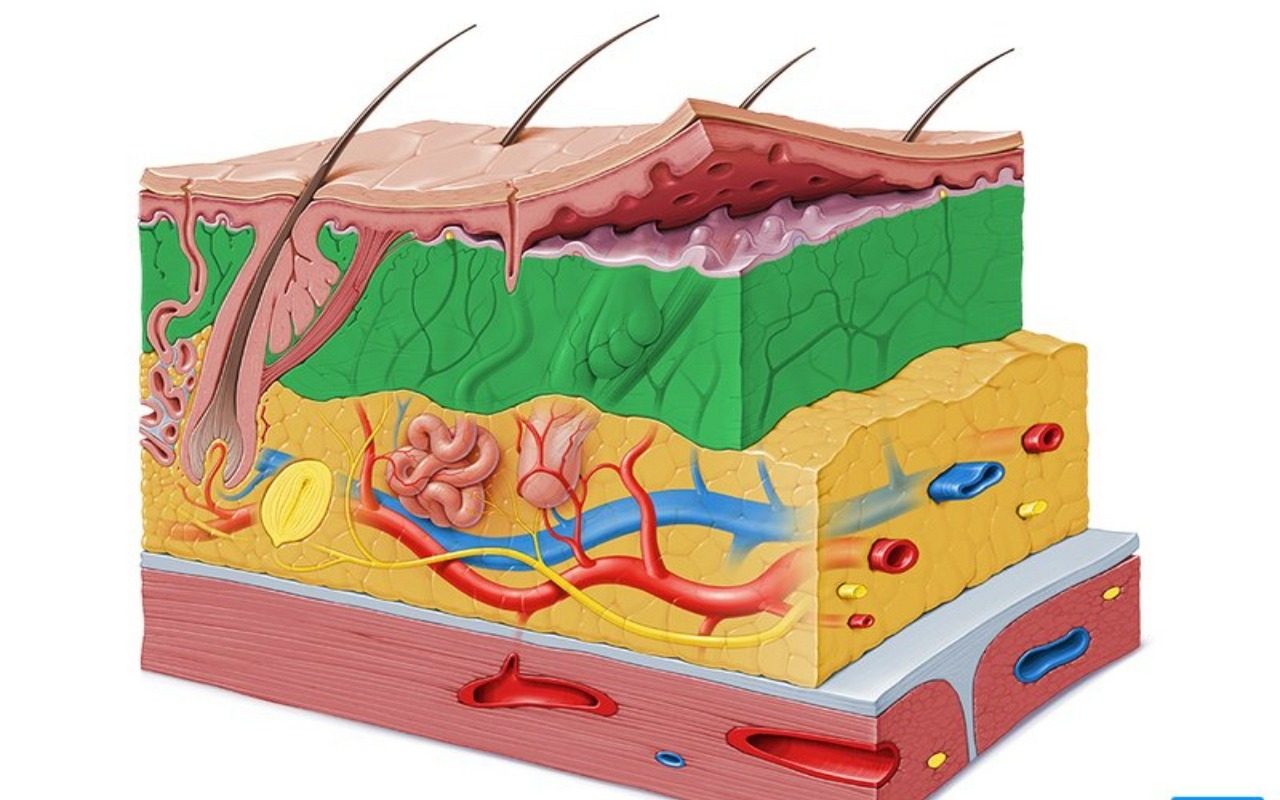
The scalp rarely gets described as skin, but that is what it is: roughly 1.5 square feet of skin with an unusually high density of hair follicles, sebaceous glands, and blood vessels. When dermatologists evaluate scalp complaints, they apply the same framework they would use for any skin condition. Is the barrier intact? Is inflammation regulated? Is circulation adequate? All of those questions are answered partly by what a person eats.
Sebum production, for instance, responds directly to fatty acid status. A diet chronically low in essential fats can thin the sebaceous film that prevents the scalp from drying out, producing flaking that does not respond to antifungal shampoos because the cause has nothing to do with fungal overgrowth. Zinc deficiency slows skin cell turnover, which means dead cells accumulate on the surface rather than shedding cleanly. These are not niche dermatology findings. A clinician screening for hair loss will typically run bloodwork covering iron, ferritin, zinc, and B vitamins before recommending any topical intervention. Treating the scalp surface without looking at what supplies it is working around the problem.
Nutrients With the Strongest Research Behind Them

Iron gets the most attention and for good reason. According to research from the National Institutes of Health on diet and hair loss, iron deficiency is one of the most consistently identified nutritional factors in diffuse hair thinning, particularly in women of childbearing age. The mechanism connects to oxygen delivery: the dividing cells at the base of each follicle are metabolically active and depend on adequate circulation. When ferritin falls below a functional threshold, follicles shift into a resting phase ahead of schedule.
Vitamin D has attracted serious research attention over the past decade. Hair follicles carry receptors for vitamin D signaling, and deficiency correlates with conditions including alopecia areata. Biotin gets disproportionate marketing attention; actual deficiency is rare, and the supplement industry has overgeneralized from clinical deficiency cases. The evidence for omega-3 fatty acids is steadier. Oily fish, walnuts, and flaxseed contribute to reducing scalp inflammation and reinforcing the lipid layer of the skin barrier. Getting these nutrients from food tends to work better than isolated supplements because the natural food matrix provides co-factors that aid absorption.
Foods That Trigger Scalp Inflammation

Both seborrheic dermatitis and scalp psoriasis carry an inflammatory component, and diet can either moderate or amplify that inflammation over time. High glycemic foods are a reliable trigger for many people with seborrheic conditions. Blood sugar spikes stimulate sebum production and create the oily surface environment where Malassezia yeast, the organism most closely associated with dandruff, multiplies. A single high-glycemic meal won’t cause a flare, but a sustained dietary pattern can make flares more frequent and harder to clear.
Dairy shows more variable effects. Some people with scalp psoriasis report improvement when they cut back; others see no change at all. The research is genuinely mixed and worth presenting that way rather than treating it as settled. What is harder to dispute is the displacement effect of ultra-processed foods. Diets built around refined carbohydrates, industrial seed oils, and artificial additives tend to crowd out the foods that actively support skin health: polyphenol-rich vegetables and berries, zinc from pumpkin seeds and red meat, omega-3s from fatty fish. The goal isn’t a strict elimination protocol but a pattern shift toward foods that support regulatory function rather than just not actively harming it.
Hydration’s Underrated Effect on Hair Follicles

Dehydration affects the scalp before it shows up as obvious thirst. Chronic low water intake reduces skin elasticity, disrupts follicle function, and alters the quality of the sebaceous film. One counterintuitive result: a consistently dehydrated scalp sometimes produces more oil in compensation, leaving people with a surface that feels simultaneously dry and greasy. Without understanding the mechanism, that combination is genuinely difficult to manage.
According to the American Academy of Dermatology’s guide on everyday scalp care, maintaining the scalp’s natural moisture balance is foundational to preventing conditions that can affect hair density over time. Hydration also supports circulation to the dermal papilla, the structure at the follicle base responsible for delivering oxygen and nutrients to actively growing hair. Coffee and alcohol both act as mild diuretics; the individual effects are modest but accumulate across daily patterns. Water is the most direct fix, and hydrating foods add to total intake while also delivering minerals and vitamins relevant to scalp health. Cucumbers, leafy greens, watermelon, and broth-based soups are good examples from a kitchen that already treats food as sustenance rather than just flavor.
Turning Habits Into a Consistent Routine

Single dietary changes rarely produce rapid results in scalp health, and the timeline is the main reason people abandon approaches that are actually working. A hair follicle takes three to six months to move from the resting telogen phase back into active growth, so dietary improvements made today don’t show up as visible hair changes until considerably later. Managing expectations around this timeline matters as much as the nutritional choices themselves.
The more durable frame is treating scalp nutrition as part of a broader skin health practice rather than a targeted hair intervention. Adequate protein provides the structural material for keratin. Consistent ferritin levels keep follicles in their growth phase. Low inflammatory food patterns reduce the frequency of flares in seborrheic and psoriatic conditions. Staying hydrated supports everything else. Batch cooking helps: a meal that brings together a protein source, a cooked vegetable, and a quality fat covers most of the relevant nutritional bases in a single preparation without requiring detailed tracking. The scalps that hold up well over decades aren’t usually the product of targeted supplementation. They tend to reflect a reasonably varied diet, maintained without drama for a long time.